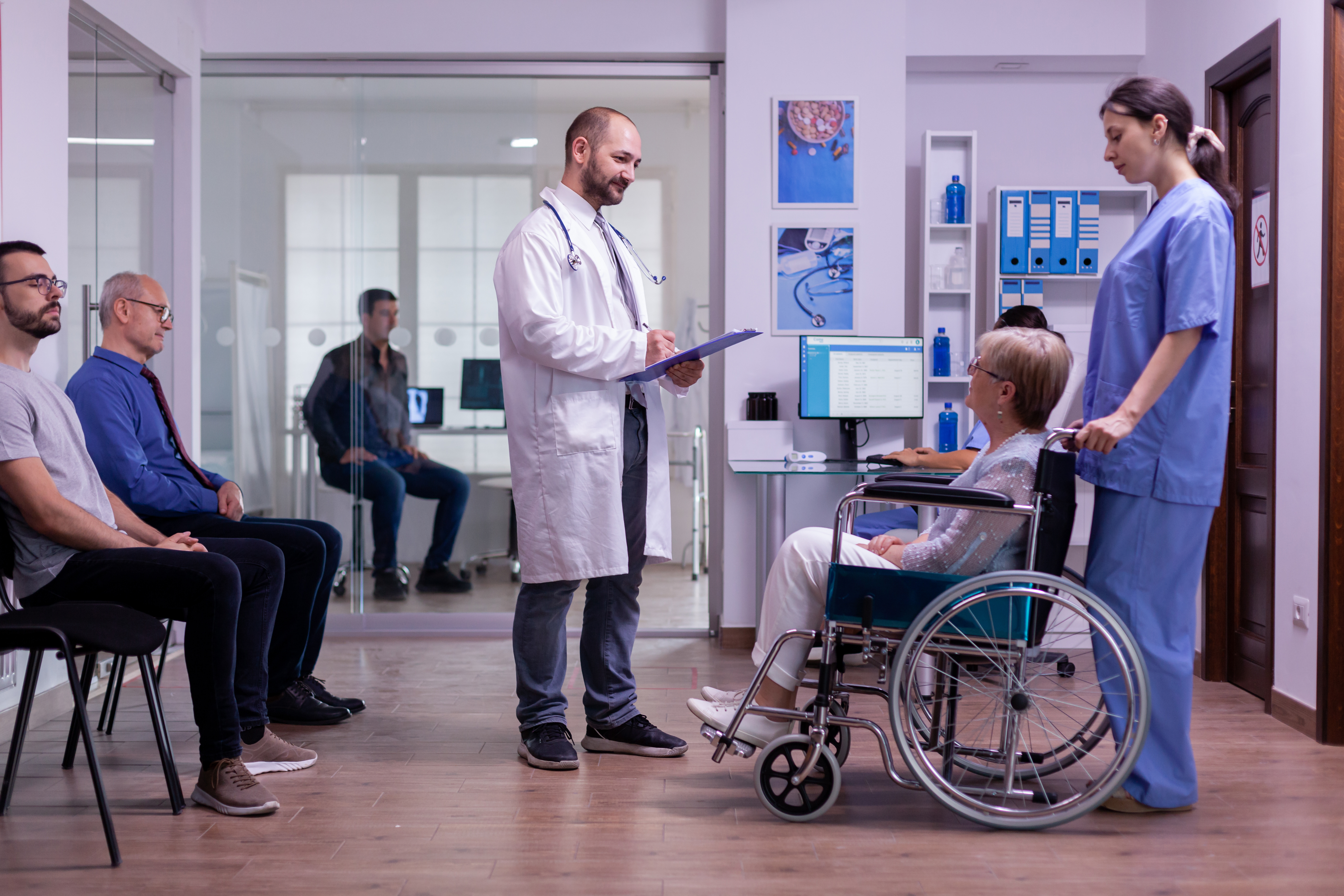
The world of health care is changing quickly. Outpatient care is becoming a key part of how medical care is given. This move away from traditional inpatient care shows changes in what patients want, health care rules, and new technology. Outpatient care means providing medical and patient care services without needing to stay overnight in a hospital. This way offers many benefits — saving money, being more convenient, and helping patients recover faster. This shift is creating a new way for patients to access health care.
Understanding Outpatient Care
Outpatient care, also called ambulatory care, includes many medical services for patients who do not need to stay overnight in a hospital. This type of care puts patients first. It allows people to get treatment for different health issues more flexibly and easily.
The main idea of outpatient care is to provide a full range of services that meet the needs of patients — without the challenges and costs of being in a hospital. Outpatient care supports the focus on preventive care, early intervention, and efficient healthcare delivery.
Defining Outpatient Services
Outpatient services include many medical treatments and procedures offered in places that are not traditional hospitals. You can find these services at outpatient clinics, doctor offices, surgery centers, and even via telehealth. This gives patients the choice of how to get medical care.
Outpatient clinics are important places for many non-emergency medical needs. They provide services like regular checkups, preventive screenings, and help with chronic illnesses. The types of care depend on the clinic's focus and what the community needs.
Outpatient medical treatment includes many procedures and therapies that can be done safely without a hospital stay — minor surgeries, imaging tests, lab work, physical therapy, and special consultations allow patients to get the care they need when and where it's best for them.
The Shift Toward Outpatient Care in the United States
In the United States, the way we approach healthcare is changing a lot, with a clear move towards outpatient care. This change is due to many connected reasons: new medical technology, efforts to control costs, and patients wanting easier and more convenient healthcare services.
Outpatient care meets the new needs of the U.S. healthcare system. It works to be efficient, easy to access, and focused on the patient. Preventive services and early treatment are important for better public health results, helping reduce the need for expensive hospital stays.
Also, more people have chronic illnesses now, which means there is a need for ongoing disease management that outpatient care can provide — regular checkups, medication management, and lifestyle counseling, all of which can happen in outpatient clinics or through telehealth.
Types of Outpatient Care Centers
Outpatient care happens in many places, meeting different medical needs. You can find it in primary care clinics, specialized outpatient departments, urgent care centers, and telehealth platforms. Outpatient care keeps changing to give people easy access to good medical care.
Each place focuses on what patients need and their health issues, so patients can get the right care quickly without staying in a hospital. This shows how important outpatient care is in today's healthcare systems — a flexible, patient-centered model of care.
Primary Care Clinics and Their Roles
Primary care clinics are very important for outpatient care. They are the first place people go when they need medical help, staffed with primary care doctors and other professionals who provide complete and ongoing healthcare services for patients of all ages.
Preventive care is a big focus in primary care clinics. Regular checkups, screenings, and shots aim to catch health problems early and stop diseases from getting worse — helping keep people healthy and reducing the need for expensive treatments later.
In addition to preventive care, primary care clinics diagnose and treat sudden illnesses, manage long-term conditions, and provide health education and counseling. They help coordinate patient care and refer patients to specialists when needed.
Specialized Outpatient Clinics: A Closer Look
Specialized outpatient clinics help people with specific medical needs, providing expert treatment focused on one area of medicine — cardiology, oncology, dermatology, or orthopedics. Patients gain from the skills of professionals who specialize in certain conditions.
Urgent care clinics give immediate help for medical issues that are not life-threatening, serving as an alternative to emergency room visits for urgent situations that need quick attention.
Rehabilitation services are also often found in outpatient settings. Physical therapy, occupational therapy, and speech therapy assist patients in regaining movement, independence, and overall quality of life after an illness, injury, or surgery.
Key Drivers of Outpatient Care Growth
The fast growth of outpatient care is due to many factors — newer technologies, changes in healthcare rules, and better patient knowledge have all helped outpatient care become a key part of today's healthcare systems.
Patients are also taking charge of their healthcare more than before, looking for treatment options that are easy to reach, convenient, and affordable. Outpatient care centers respond by offering more services in easier locations, usually with shorter wait times.
Technological Advancements in Healthcare
Medical technology has changed healthcare a lot, helping move more care to outpatient settings. New medical devices, better surgical techniques, and improved diagnostic tests allow less invasive procedures — leading to quicker recovery and lower risks of complications.
Telehealth is growing fast. Using video calls and remote monitoring devices to provide care from a distance, it is especially useful for those in rural areas, people who have trouble moving, and anyone needing quick consultations for non-emergency issues.
New imaging technology, including portable ultrasound machines and on-the-spot testing devices, helps outpatient providers make quicker and smarter diagnoses. This makes patient care smoother and cuts down on extra visits or referrals to hospitals.
The Impact of Healthcare Policies on Outpatient Services
Governments and insurance companies recognize that outpatient care is cheaper and have made policies to promote its use. Payment changes like bundled payments and value-based care models motivate providers to perform procedures in outpatient settings when they can.
Many health insurance plans now provide better coverage for outpatient services, lowering costs for patients and making it easier to choose outpatient care.
Policies that support preventive care and early help work well with outpatient services. By focusing on prevention, policymakers aim to lower preventable illnesses and manage long-term health issues — which can lower healthcare costs overall.
Benefits of Outpatient Care for Patients
One great thing about outpatient care is the many benefits it provides to patients: lower costs, more convenience, shorter wait times, and a better feeling of control over their healthcare choices.
As patients learn more about their healthcare options, they find that the benefits of outpatient care match what they want — making it a popular choice for many types of medical needs.
Reduced Costs and Increased Accessibility
Outpatient care can lower healthcare costs compared to staying in a hospital. Outpatient services usually cost less to run and use resources better, so patients and healthcare systems pay less overall.
Health insurance plans often set lower copayments and deductibles for treatments done in outpatient settings, reducing what patients have to pay out of pocket.
Outpatient care is often easier to access, especially in rural or underserved areas where hospitals may not be nearby. Bringing important medical services closer to patients' homes makes it easier for more people to get help without long trips.
Shorter Wait Times and Faster Recovery
Outpatient clinics and surgery centers often have easy scheduling and focus on specific services, helping patients get in for appointments and procedures more quickly.
Outpatient procedures are usually less invasive, so patients heal faster and get back to their daily activities sooner — less disruption to work, social events, and other important things.
Outpatient settings also focus on teaching and empowering patients, giving clear instructions on care after treatment, possible issues, and follow-up visits. This leads to better healing and a faster return to good health.
Implications for Hospitals and Healthcare Providers
The rise of outpatient care brings both challenges and opportunities. As more medical services move to outpatient settings, hospitals must change their services and ways of doing business to stay competitive.
To do well in a healthcare system focused on patients and value, hospitals need to embrace new ideas, invest in technology, and work with outpatient providers. By understanding what patients need, hospitals can adjust their services to provide complete care options.
Adapting to the Rise in Outpatient Services
Hospitals are creating their own outpatient care centers or teaming up with existing ones, helping them reach more people, offer more options for care, and keep costs down — helping patients move smoothly through different types of care.
Hospitals are also focusing more on complex surgeries, urgent care, and special treatments that need hospitalization. This smart move helps them use their resources and skills better, shining in areas where they have the best equipment and staff.
In addition, hospitals are trying telehealth and remote patient monitoring to reach patients beyond their physical locations — offering virtual visits, follow-ups, and help for chronic illnesses from afar.
Integrating Technology for Efficient Outpatient Care
Technology, such as HealthViewX, plays a key role in providing good outpatient care. Electronic health records now link different systems, helping share information easily between hospitals, outpatient clinics, and other caregivers — leading to better clinical choices and well-coordinated care.
Healthcare technology is also changing how procedures work in outpatient settings. Robot-assisted surgery, less invasive techniques, and better imaging tools are now more common in outpatient surgery centers, resulting in faster recovery times.
Using telehealth platforms helps providers offer virtual visits, monitor patients from home, and manage follow-ups — improving convenience, streamlining scheduling, and cutting down on unneeded in-person visits.
Challenges Facing Outpatient Care Expansion
The growth of outpatient care can make healthcare easier to access and less expensive, but we need to deal with the challenges that come with this change — keeping the quality of care high outside of regular hospitals, and understanding the confusing rules about insurance.
By working together, leaders in policy, healthcare, and insurance can build a stronger and more lasting outpatient care system that makes health results better while still being affordable and easy to reach.
Ensuring Quality of Care Outside of Hospital Settings
As more treatments move to outpatient settings, keeping care quality consistent is very important. Clinics and surgery centers must follow strict protocols to maintain high standards of hygiene, infection control, and patient safety.
In some outpatient settings, timely access to specialists and medical equipment can be hard, which may affect care. Efficient referral systems, clear communication, and the right resources at hand are important for good patient care.
Setting up strong monitoring systems is key to tracking patient outcomes. Regularly checking indicators like infection rates, readmission rates, and patient satisfaction helps providers see where changes or support are needed to maintain high standards.
Addressing Insurance and Coverage Issues
Insurance coverage for outpatient care changes a lot from one plan to another. Patients often struggle with copayments, deductibles, and reimbursement — it's important that coverage policies are clear so patients can make informed choices.
Differences in coverage for inpatient and outpatient care can bias providers toward one type of care. Policymakers and insurers need to set fair payment rates for all types of care to support better decisions.
With more people using telehealth, insurers must change to include coverage for these virtual visits — so patients can get the care they need from home without facing extra costs.
Conclusion
Outpatient care is growing, bringing opportunities and challenges for hospitals and healthcare providers. New technology and healthcare rules are making outpatient services more popular, and patients benefit from lower costs, better access, and quicker recovery times. To keep up, hospitals need to use technology well, ensure quality care outside the usual hospital environment, and solve insurance and coverage problems — expanding outpatient services to meet the changing needs of patients and the healthcare field overall.
Frequently Asked Questions
What Are the Most Common Outpatient Services?
Some common outpatient services are routine checkups at a doctor's office, urgent care visits, lab tests, CT scans, physical therapy sessions, and diagnostic imaging. These show the different medical needs that can be taken care of in outpatient settings.
Key Takeaways
- Outpatient care is experiencing rapid growth, driven by technological innovations, evolving healthcare policies, and increasing patient demand for cost-effective medical care.
- This shift from inpatient to outpatient settings requires hospitals and providers to adapt their services and infrastructure to remain competitive and cater to patients' changing needs.
- Outpatient care offers reduced costs, increased accessibility, shorter wait times, and faster recovery periods, making it a more appealing option for many patients.
- The expansion also presents challenges in ensuring quality of care outside hospital settings and addressing insurance and coverage issues to maintain equitable access.
- Understanding and adapting to the growth of outpatient care will be crucial for hospitals and providers to thrive in the changing landscape of medical service delivery.